Thailand, historically known as Siam, has a unique history as the only Southeast Asian nation to avoid European colonization. Early kingdoms such as Sukhothai (13th century) and Ayutthaya (14th–18th century) laid the foundation of Thai culture and governance. During the 19th and early 20th centuries, Siam’s monarchs maintained independence through strategic diplomacy and modernization while neighboring countries came under colonial rule.
In 1932, a revolution ended absolute monarchy, establishing a constitutional system. The name was changed from Siam to Thailand in 1939, reflecting a strong national identity.Today, Thailand’s historical resilience and balance between tradition and modernization remain key to its cultural pride and international reputation.
Economy
Overview
Thailand’s economy is one of the largest in Southeast Asia, classified as upper-middle income. Exports account for around 60% of GDP, with key products including automobiles, electronics, textiles, rice, seafood, and rubber. Tourism is another critical driver, attracting over 30 million visitors annually in pre-pandemic years, with highlights ranging from Bangkok’s cultural sites to southern islands and northern temples.
The country has diversified its industries but faces long-term challenges such as high household debt, reliance on global trade, and a rapidly aging population.In recent years, Thailand has also focused on digital innovation and sustainable development through initiatives like “Thailand 4.0,” which aims to transform the nation into a high-tech and value-based economy.
Government Resources
Overview
Thailand is a constitutional monarchy with King Maha Vajiralongkorn serving as the current monarch. While the king is revered as a cultural and spiritual symbol, political authority is exercised through a parliamentary system led by the prime minister. However, Thailand has experienced recurring political instability, including numerous military coups and frequent constitutional changes.
The military has historically played a strong role in politics, most recently through the 2014 coup, though elections continue to influence governance and democratic development. In recent years, public demand for transparency and youth-led democratic reforms has shaped ongoing political discourse and the future of governance in Thailand.
Geography
General
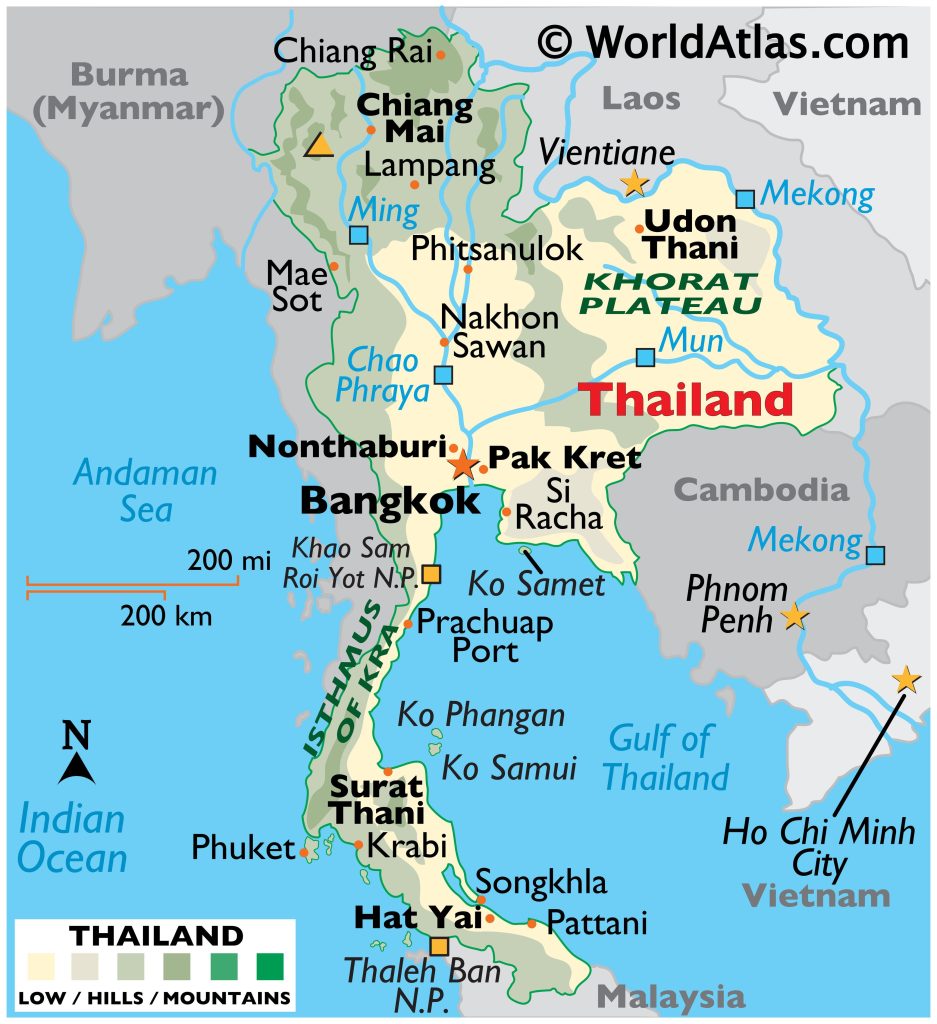
Thailand covers roughly 513,000 square kilometers and features diverse landscapes. The mountainous north is home to forested highlands and Doi Inthanon, the country’s tallest peak. The central plains form one of the world’s most fertile rice-growing regions, often called the “rice bowl of Asia”.
The northeast, known as Isaan, is a dry plateau with lower agricultural productivity, while the southern peninsula offers tropical beaches, rainforests, and islands along the Gulf of Thailand and the Andaman Sea. The country has a tropical climate marked by hot, humid conditions and seasonal monsoons.Thailand’s geographic diversity not only supports a wide range of agriculture and tourism but also contributes to the country’s cultural and regional distinctiveness.
Customs & Traditions
Buddhism
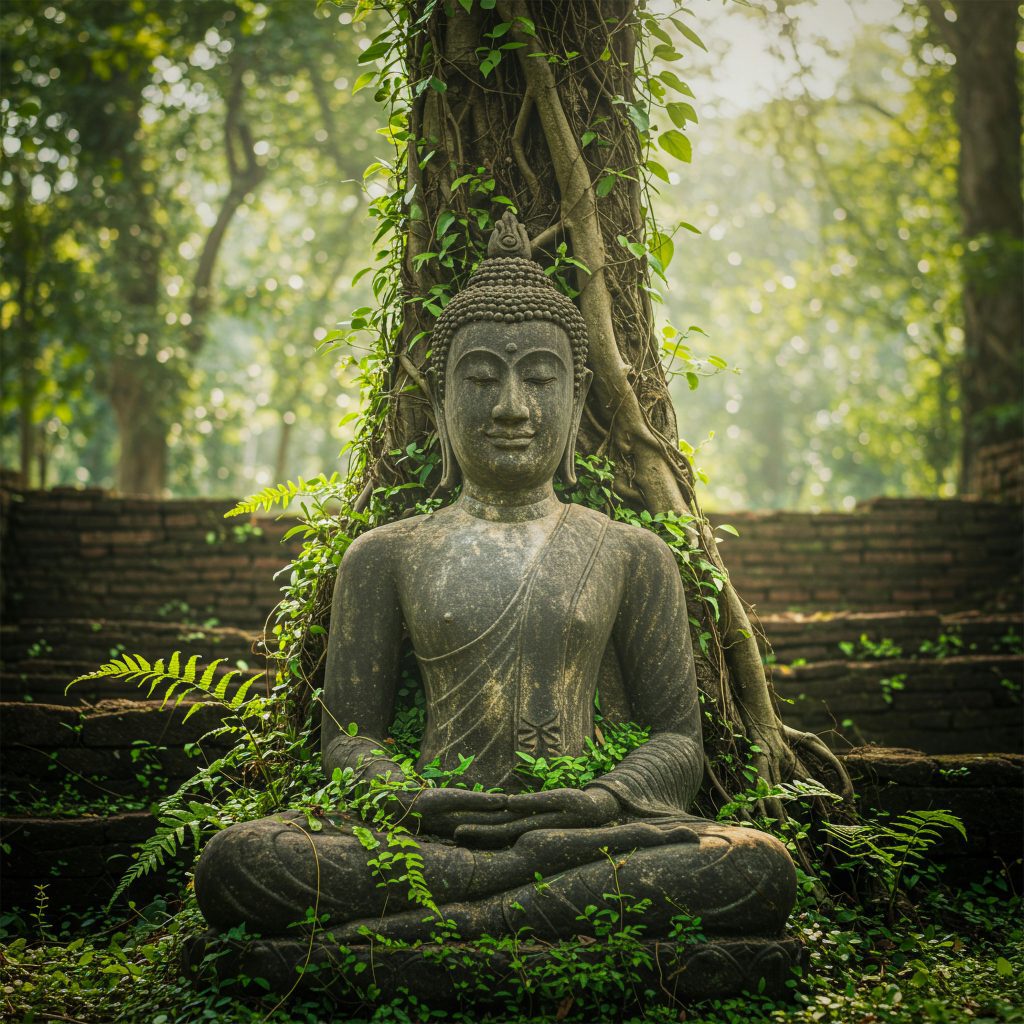
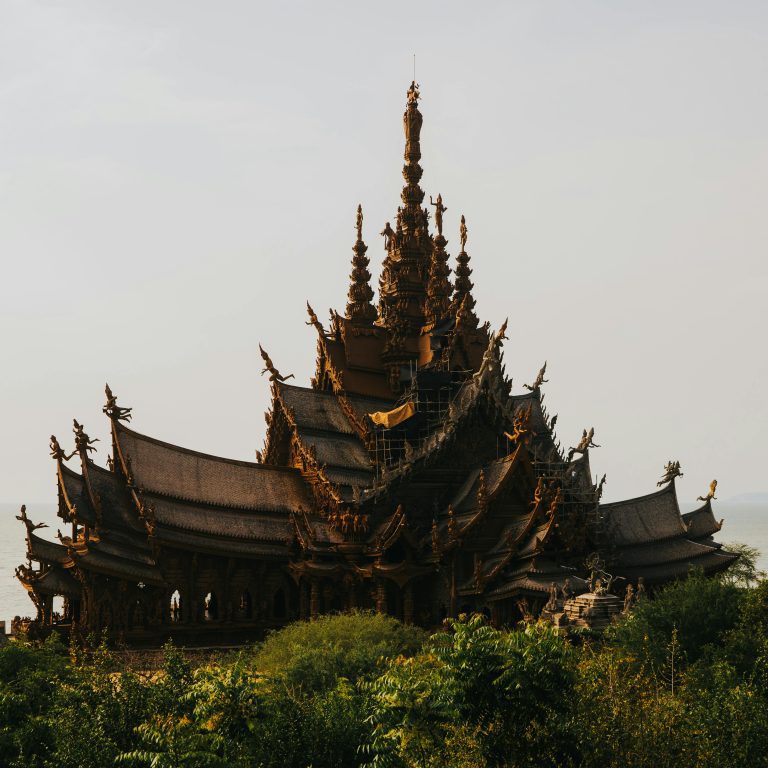
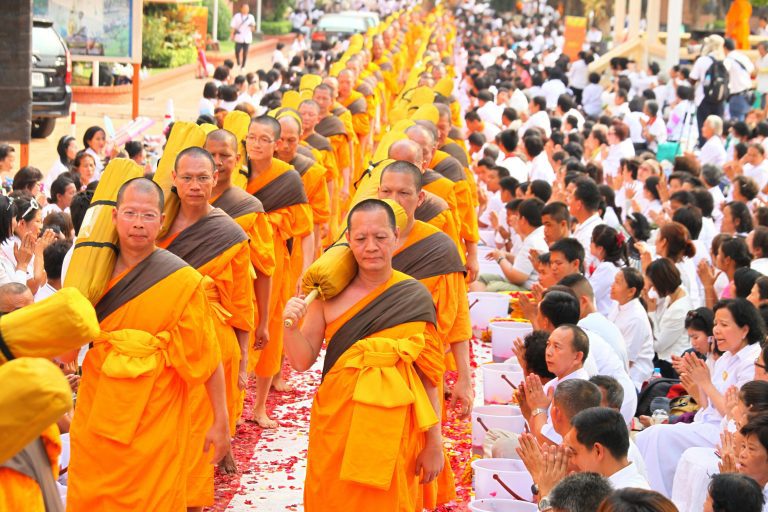
Thai culture is deeply rooted in Theravada Buddhism, practiced by more than 90% of the population. Monks are highly respected, and temples (wats) remain central to community life. Daily greetings often include the wai, a bow with palms pressed together, which expresses respect. With how integrated Buddhism is in Thai culture, it is understood and expected of visitors to also show respect for the Monks.
Festivals
Festivals are vibrant cultural expressions: Songkran, celebrated in April, marks the Thai New Year with water-splashing rituals symbolizing purification, while Loy Krathong in November features the release of candlelit floats on rivers to honor water spirits and let go of misfortune. Respect for elders, community ties, and reverence for the monarchy remain central pillars of Thai society.Traditional Thai arts, cuisine, and craftsmanship continue to thrive, blending ancient practices with modern creativity to preserve the nation’s cultural identity.
Special Considerations
Dress modestly while visiting temples and sacred locations. Clothing must cover shoulders, knees, and arms generally.
Disrespecting the royal family is very illegal. Avoid speaking negatively of them or of depictions of them such as on the currency.
“Vegetarian” meals may still contain fish products or sauces. If that is important to you, be sure to clarify.
Do not drink the tap water, stick to clean water sources such as bottled water.
Due to its tropical climate, Thailand is prone to mosquitos, bring proper repellant.
A universal adaptor is recommended, sometimes the outlet may be different and it’s possible to experience a power surge, so be sure it is a surge protector.
Understanding the differences between an Embassy, a Consulate, and a Mission
Check out this video from the National Museum of American Diplomacy explaining the difference between each organization and how they function together to protect US citizens traveling abroad. LINK
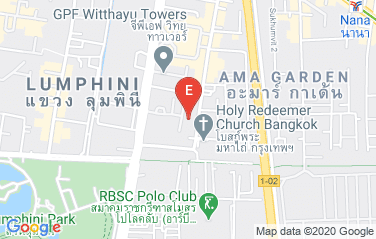
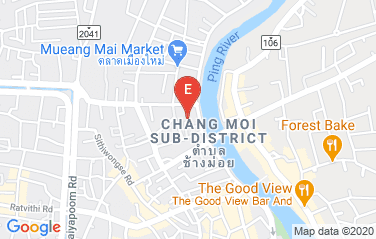
U.S. Embassies & Consulates in Thailand
LINK to list of U.S. Embassies and Consulates in Thailand
Thailand Trivia
Fun Fact:
Thailand, previously known as the Kingdom of Siam, was never colonized by Europeans. This fact inspires great national pride and is why some people refer to it as the “Land of the Free”.It remained named the Kingdom of Siam until 1939 when it was renamed to the modern day Thailand. Today national pride is evident from a rich culture to reverence toward the royal family.