
Tokyo Has a Secondhand Shopping Scene Unlike Anywhere Else in the World
There’s a specific kind of magic that happens when you turn off a busy Tokyo street into a narrow alley lined with rack after rack of perfectly preserved vintage denim, retro kimonos, and 1970s American sportswear priced for under $10. It doesn’t feel like thrifting. It feels like archaeology.
Japan has one of the most sophisticated secondhand cultures on the planet — rooted in the concept of mottainai, a Japanese word that captures the feeling of regret over waste. Nothing is discarded carelessly here. Vintage clothing is washed, repaired, and presented with care. Antique markets are organized with the precision of museum exhibitions. And flea markets happen in the grounds of ancient temples and shrines, where centuries of history form the backdrop for your weekend treasure hunt.
For students studying abroad in Japan, this is one of the most genuinely local, budget-friendly, and culturally rich experiences the country has to offer. Whether you’re hunting for a one-of-a-kind souvenir, building out your wardrobe, or just wandering with an eye for the unexpected, the vintage shops and flea markets in Japan — especially in Tokyo — will not disappoint.
Here’s your guide.
1. Shimokitazawa — The Vintage Capital of Tokyo
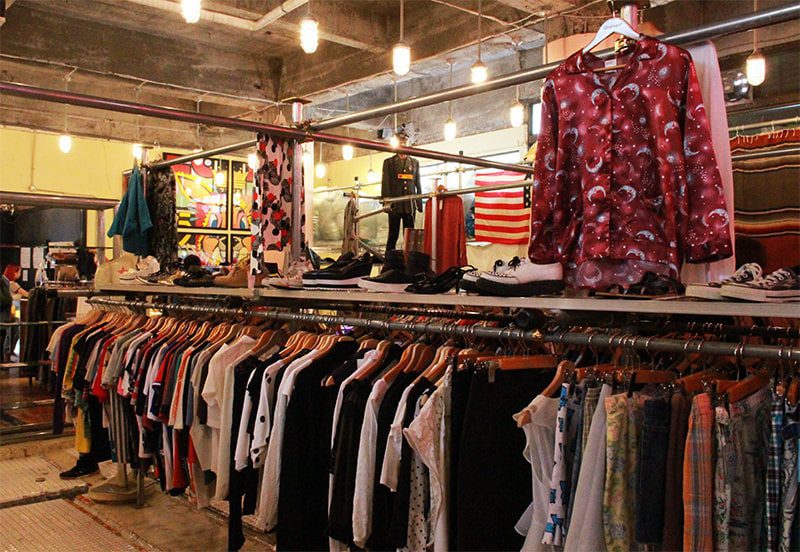
If you only have time for one neighborhood, make it Shimokitazawa — and clear your afternoon.
Located just five minutes from Shibuya by train on the Keio Inokashira Line, Shimokitazawa (or “Shimokita” to locals) is Tokyo’s unofficial capital of vintage and thrift. What was once a quiet residential neighborhood became a hub of Japanese subculture in the 1960s, drawing in musicians, artists, theater groups, and a distinctly bohemian crowd that never quite left. Today, the streets are packed with live music venues, indie cafes, record shops, and — most importantly for our purposes — more than 30 secondhand clothing stores within easy walking distance of the station.
The vibe is low-key and walkable. Unlike the commercial chaos of Shibuya or Harajuku, Shimokitazawa operates at a slower pace. You wander, you browse, you discover.
Top shops to hit:
Flamingo Shimokitazawa — Operating since 2005 with the motto “Wear 100-year-old clothes for another 100 years,” Flamingo carries a curated selection of American and European vintage from the mid-20th century. There are actually five Flamingo locations in Shimokitazawa alone — once you find one, follow the trail. Prices are mid-range, quality is high, and the staff genuinely knows their inventory.
New York Joe Exchange — Built inside what used to be a public bathhouse, New York Joe’s is a first-timer favorite. The decor alone is worth seeing. Inventory turns over fast (customers bring clothes to sell directly), which means the finds are unpredictable in the best possible way — 2002 World Cup gear next to formal vintage blazers next to 80s windbreakers.
Stick Out — For students watching their budget, this one is essential. Stick Out prices every single item in the store at ¥700–¥800 (roughly $5–$6). That’s it. The inventory leans vintage rather than brand-name, which means colorful blouses, graphic sweaters, and statement pieces you genuinely won’t find anywhere else.
Chicago — A Shimokitazawa staple with loads of American streetwear, graphic tees, and classic casual pieces. Prices hover around ¥3,000 but the selection is consistently strong. Go here if you’re hunting for a vintage hoodie or a perfect graphic shirt.
Pro tip: Head north from the station’s East Exit to dive into the densest cluster of thrift stores. If you need a break, duck under the train tracks to Mikan Shimokita, a modern shopping complex with great food.
2. Oedo Antique Market — Japan’s Largest Outdoor Antique Market
If the vintage shops and flea markets in Japan had a crown jewel, many locals would point here.
The Oedo Antique Market is held on the first and third Sundays of each month at Tokyo International Forum — a striking glass and steel convention center just a one-minute walk from Yurakucho Station, five minutes from Tokyo Station. Around 250 vendors set up across the outdoor plaza, selling everything from vintage kimonos and Edo-period ceramics to ukiyo-e woodblock prints, lacquerware, retro cameras, and handmade crafts.
This is an antique market in the truest sense — the vendors are seasoned collectors and craftspeople, and even if your Japanese is limited to ikura desu ka? (“how much is this?”), enthusiasm and gestures go a long way. The atmosphere is relaxed and genuinely social. You’re not just shopping — you’re getting a window into Japan’s material history.
What to expect to find: Vintage kimono and obi sashes, traditional pottery and tea sets, Meiji-era decorative items, antique toys, old photography, wooden furniture, rare prints.
Practical details: First and third Sundays of each month. Arrive early (the market opens at 9am) for the best selection — distinctive items sell fast. Bring cash; most vendors don’t take cards. Free to browse, no entry fee.
3. Tokyo City Flea Market — The Biggest and Most Eclectic
Held nearly every weekend at Oi Racecourse in Shinagawa, the Tokyo City Flea Market is the largest flea market in the city — and it shows. Anywhere from 300 to 600 vendors set up across the wide parking lot, selling everything imaginable: secondhand jackets, jeans, yukata, kimono, ceramics, lacquerware, vintage manga, vinyl records, retro electronics, antique toys, and handmade accessories.
This is the flea market that feels most like a local weekend institution. Families, students, and long-time collectors all show up, and the energy is relaxed and unhurried. The food trucks serving yakisoba, takoyaki, and crepes make it easy to spend a full morning without ever leaving the venue.
Getting there: Take the Tokyo Monorail from Hamamatsucho Station (about 20 minutes from central Tokyo) to Ohi Keibajo-mae Station — the market is a 3-minute walk from the exit.
Strategy: Arrive early for the best unique finds. Come back near closing for marked-down deals as vendors start packing up.
4. Shimokitazawa Flea Market — Curated, Community-Driven, and Very Shimokita
Launched in 2023 and gaining a loyal following fast, the Shimokitazawa Flea Market captures everything that makes the neighborhood special — but compressed into one buzzing outdoor event.
Around 40% of vendors come from the Shimokitazawa area itself, which means the finds genuinely reflect local taste rather than generic market stock. You’ll find high-quality vintage pieces from neighborhood retailers like Lanp by Valon alongside handmade creations from local craftspeople and artists. There’s a strong DIY ethos here — this isn’t a commercial operation, it’s a community gathering.
Dates and hours shift each month, so check the market’s bilingual Instagram account before you go. If you can time your visit to coincide with a market weekend, do it — the combination of outdoor browsing, neighborhood cafes, and indie energy makes for one of the best free afternoons you’ll spend in Tokyo.
5. Koenji and Beyond — For the More Adventurous Thrifter
Shimokitazawa gets the most attention, but Tokyo’s vintage shops and flea markets extend well beyond one neighborhood.
Koenji is Shimokitazawa’s grittier, more underground cousin — another district built on alternative music and vintage culture, with a cluster of thrift stores tucked into covered shopping streets and narrow alleys. Look for Hayatochiri, a store with a monster face facade that sells quirky, colorful pieces, and Whistler, which specializes in American vintage from the 1940s and 60s.
Harajuku and Omotesando backstreets host several strong vintage stores including KINJI (two locations, reasonably priced at ¥2,000–¥5,000) and BAZZSTORE (14 Tokyo locations, ¥1,000–¥5,000 range with occasional designer finds). These neighborhoods also have the bonus of being right next to some of the best street food and cafes in the city.
Setagaya Boroichi is worth noting if you’re in Tokyo in January or December. This market has been running for over 440 years and draws up to 700 vendors along a full stretch of Boroichi Dori Street — it’s a piece of living Tokyo history as much as it is a shopping event.
Thrifting Tips for First-Timers in Japan
Bring cash. This cannot be overstated. The majority of vintage shops and flea market vendors in Japan do not accept credit or debit cards. ATMs in 7-Eleven convenience stores are the most reliable option for foreign cards.
Go early for selection, late for deals. The best and most unique pieces tend to sell within the first hour of any flea market. If you’re after marked-down prices rather than prime selection, show up as vendors start to close — they’d rather sell than carry things back.
Learn one phrase. Ikura desu ka? (“How much is this?”) will open every conversation you need at a market. At smaller flea markets, gentle haggling is acceptable — approach it softly and politely. At established vintage shops, prices are typically fixed.
Pack light when you leave your accommodation. You will buy things. Bring a tote bag, or budget for one.
Check Instagram before you go. Markets held outdoors often cancel in heavy rain. The Shimokitazawa Flea Market, in particular, posts schedule updates on its bilingual Instagram account. A quick check saves a wasted trip.
Why Studying Abroad in Japan Is More Than a Trip — And How GLO Makes It Happen
Experiencing the vintage shops and flea markets in Japan is one thing. Understanding why they exist — the cultural philosophy behind secondhand care, the concept of mottainai, the way Japanese aesthetics show up in the way a vintage kimono is folded and priced — is something else entirely. That’s the kind of understanding you can only develop by actually being there, wandering the alleys, talking to vendors, and spending time in the neighborhoods where locals actually live.
That’s exactly what a GLO study abroad program is designed to give you.
GLO — Global Learning Opportunities — has been building faculty-led international programs since 1977. With 33,000+ alumni, 650+ seminars across the globe, and deep university partnerships across the U.S., GLO programs combine academic learning, company visits, and cultural immersion into a single high-impact experience. Japan has been one of our most transformative destinations, offering students exposure to business culture, innovation, technology, and tradition that you simply can’t replicate in a classroom.
If you’re a college student ready to take your global education seriously — or a faculty member looking to offer your students an experience that actually changes how they see the world — we’d love to connect.
👉 Explore GLO programs and upcoming Japan opportunities
For faculty and university partners: GLO has been working alongside universities since 1977 to deliver programs that create measurable career outcomes for students. If you’re interested in bringing a GLO program to your institution, we’re ready to talk.
📩 Connect with our faculty partnership team → hello@glo-explore.com
Frequently Asked Questions: Vintage Shops and Flea Markets in Japan
Where are the best vintage shops and flea markets in Japan?
The best vintage shops and flea markets in Japan are concentrated in Tokyo. Top neighborhoods for thrift stores include Shimokitazawa, Koenji, and Harajuku. For outdoor flea markets, the Oedo Antique Market (1st and 3rd Sundays at Tokyo International Forum) and the Tokyo City Flea Market (nearly every weekend at Oi Racecourse, Shinagawa) are the most popular and accessible.
Is Shimokitazawa good for thrift shopping?
Yes — Shimokitazawa is Tokyo’s unofficial capital for vintage and thrift, with over 30 secondhand clothing stores within walking distance of the station. It’s just 5 minutes by train from Shibuya and the selection ranges from ultra-budget (Stick Out at ¥700 per item) to curated vintage boutiques.
How much does thrift shopping in Japan cost?
Budget thrift stores like Stick Out price every item at ¥700–¥800 (under $6 USD). Mid-range stores like KINJI and BAZZSTORE price pieces between ¥1,000 and ¥5,000. Antique markets range from a few hundred yen for small accessories to tens of thousands for rare ceramics, kimonos, or prints.
Are Tokyo’s flea markets open year-round?
Most run year-round on set schedules. The Oedo Antique Market operates on the 1st and 3rd Sundays of each month, the Tokyo City Flea Market runs nearly every weekend, and the Shimokitazawa Flea Market runs monthly. Outdoor markets may cancel in heavy rain — always check official Instagram accounts before visiting.
Can I study abroad in Japan with GLO?
Yes. GLO has offered faculty-led study abroad programs since 1977, including in Japan. GLO programs combine academic learning, company visits, and cultural immersion, giving students structured global education alongside time to explore neighborhoods, markets, and local life. Explore upcoming programs.
What should I bring to flea markets in Japan?
Bring cash (most vendors don’t accept cards), a tote bag for your finds, and comfortable walking shoes. Arrive early for the best selection, or near closing time for deals. A willingness to say ikura desu ka? doesn’t hurt either.